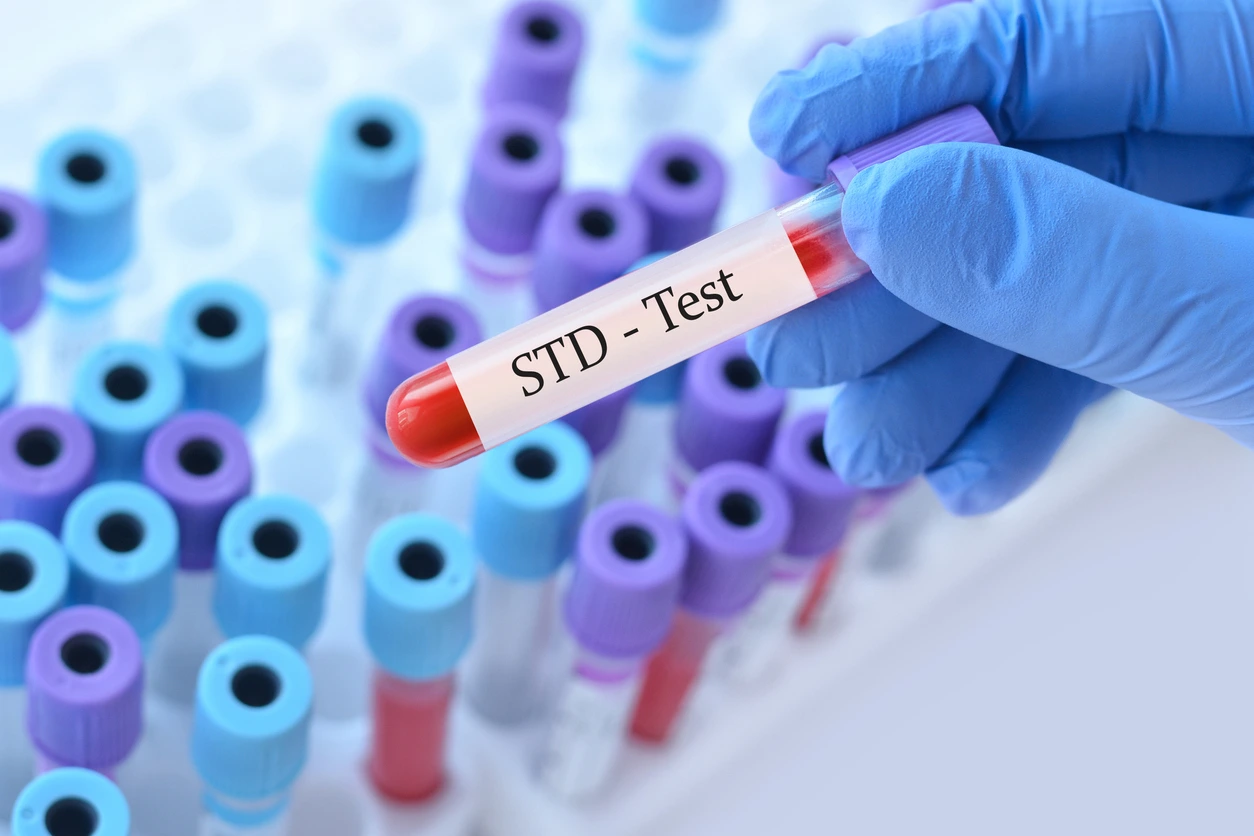
STDs are very common, however some don’t always have notable symptoms. If you’ve had unprotected sex, noticed some unusual symptoms or just want to know more about your sexual health and you’re interested in your sexual status as well then get tested now.
Same day testing for STD is a quick way to get the care you need without waiting in the waiting room for days or weeks for an appointment. There are many urgent care clinics where patients can get the care you need and get the test if you feel like it and the same-day STD testing is so convenient that they can consult with a healthcare provider and get samples and start addressing their concerns in one visit. Knowing how STD testing works, when to get tested and what to expect from your test result will give you information to make informed decisions on your health.
What is same-day STD testing?
Because it is a same day test you can go to a healthcare facility and get tested the same day — sometimes not even scheduling an appointment far in advance.
Depending on how you feel, if you have a history with your medical history and are potentially exposed to different types of infection your doctor may suggest testing for chlamydia, gonorrhea, syphilis, HIV, trichomoniasis hepatitis B and hepatitis C (if appropriate).
Different infections require different tests. Some can be detected from urine samples; some need blood tests or swabs.
Same-day testing doesn’t always mean same-day results. Some of the rapid tests will give results during the visit, while others are more time consuming so it takes a couple of days to get results.
What tests are appropriate? What results should be expected?
When Should You Get Tested for STDs?
There are reasons people do STD testing even if you feel perfectly healthy.
Testing might be recommended if you have had unprotected sex, became a new sexual partner, found out that a partner has an infection or felt that they were having symptoms that could be signs of an STD.
Common symptoms are unusual genital discharge, burning during urination, genital sores itching pelvic pain or pain during sex but many STDs are asymptomatic (no obvious symptoms) someone can get an infection and transmit it to another person without knowing.
More routine screening may also be recommended in the individual case (age, sexual activity, pregnancy status and other individual risk factors).
If you don’t know if you’re at risk an urgent care provider can help you to determine what screenings are appropriate.
How soon after exposure can I get tested for STD infection?
A common question about STD testing is how quickly an infection is detected after exposure.
Different infections have different detection windows. Testing too early might give a negative result even though there is an infection present.
Chlamydia and gonorrhea may not be detectable immediately after exposure. Testing approximately one to two weeks after a potential exposure may be appropriate for people without symptoms, although the timing depends on individual circumstances. If symptoms develop, seek medical care promptly rather than waiting.
HIV testing also depends on which test is used. Laboratory-based antigen/antibody tests using blood drawn from a vein usually detect HIV 18–45 days after exposure and some other tests take longer. Repeat testing may be necessary.
Syphilis testing may need to be repeated if first test is done before antibodies are also detectable.
If you feel symptoms go to medical care immediately rather than wait until a certain time and take a test.
You may have been exposed to HIV within the last 72 hours and need medical care right now. Post-exposure prophylaxis (PEP) can significantly reduce the risk of HIV infection if started within 72 hours of exposure, ideally within 24 hours. Anyone concerned about a recent HIV exposure should seek immediate medical care rather than waiting for STD test results.
What happens at a same-day STD testing appointment?
STD testing is pretty easy and takes very little time.
The healthcare provider might start by asking you questions about your symptoms, medical history and possible exposure. These questions determine which infections should be included in your screening.
Depending on the tests ordered you may have to give a urine sample, get blood drawn or swab the area affected.
For some infections throat or rectal swabs may be recommended based on the types of sexual contact you’ve had.
Not every patient needs a physical exam. If you don’t have any symptoms testing may be done just to collect samples.
In the end your provider will tell when results should be available and if follow-up treatment is needed.
Can you get STD treatment on the same day?
Sometimes treatment can start during the same visit as testing.
If you have symptoms strongly suggesting that particular infection or have been exposed to a partner with confirmed STD a healthcare provider may recommend treatment before lab results are available. This depends on the suspected infection and the provider’s clinical assessment.
Other situations need confirmation through testing before treatment is given.
Many bacterial STDs (chlamydia, gonorrhea and syphilis) can be treated with antibiotics. Viral infections like HIV and genital herpes cannot be cured but medications can control them.
Your provider may tell you to notify recent sexual partners so they can get tested or treated when appropriate.
Why go to urgent care for STD testing?
Urgent care clinics are convenient options for patients who can’t easily make an appointment with a primary care provider.
Many clinics have walk-in appointments, extended hours and access to common diagnostic tests.
If you need same day STD testing in Los Angeles then urgent care is helpful because symptoms can suddenly develop or a potential exposure worries you immediately.
Another benefit is that you can talk directly with a medical professional about your symptoms — he or she will recommend the right tests and explain what happens next.
Before going make sure which STD tests the clinic offers; if an appointment is required; how results will be delivered.
Is STD testing confidential?
Privacy is important to many people who want STD testing done.
Healthcare providers generally handle STD testing and results according to medical privacy laws.
Some infections must be reported to public health authorities and insurance billing may generate information that is visible to a policyholder.
If confidentiality is important ask the clinic about its privacy practices, payment options and how results will be communicated.
Healthcare providers are used to talking about sexual health and can help without judgment.
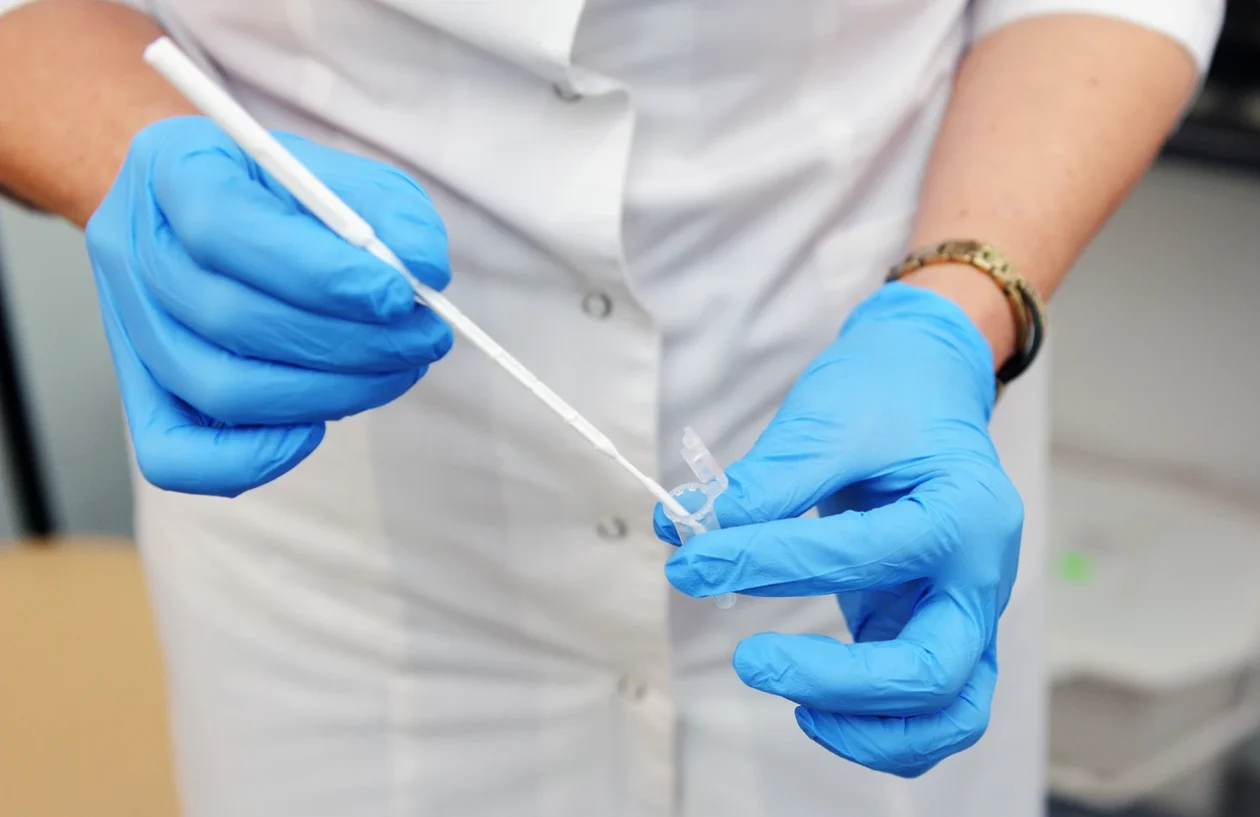
Take control of your sexual health with same-day STD testing.
Testing is one of the most effective ways to protect your sexual health and avoid unknowingly transmitting an infection.
Early detection can help prevent complications from untreated infections, reduce the risk of transmission to sexual partners and allow patients to begin appropriate treatment sooner.
If you have symptoms, recently experienced a potential exposure or want routine screening, testing at the appropriate time can help identify infections and connect you with treatment when necessary.
If you’re looking for same day STD testing in Los Angeles call Vermont Urgent Care to ask about available testing services walk-in visits and appointments.
Today’s action can tell you what’s going on with your health and help you make confident decisions about next steps.