
We’ve all experienced that heavy feeling in our guts after a big meal or some particularly greasy food — that familiar sense of bloat and discomfort. But for some, these symptoms are more than just an occasional inconvenience. In some cases, though not in yours, they can be a sign of gallbladder disease, which sometimes requires gallbladder removal. If lifestyle changes and drugs don’t curb the disease’s progression, you may consider gallbladder surgery weight loss after— known as cholecystectomy. But why would a person need to have their gallbladder removed, and how is that done? Knowing about the process can help you to feel more confident if your gallbladder doctor near me suggests this treatment.
What is the gallbladder?
The gallbladder is a small pouch that lives beneath your liver. It is part of the digestive tract and holds bile, a digestive juice produced by the liver and passed through the small intestine to emulsify fats. Stones can sometimes form inside your gallbladder. Those are solid pieces of cholesterol or bile salts that have clumped together into a hard mass, impeding the flow of your bile and causing pain, inflammation or other digestive system gripes. This condition is known as gallstone disease (cholelithiasis). Over time, stones or disorders of the gallbladder itself can lead to infection or scarring or can cause a constant nagging irritation, prompting removal.
When Is Gallbladder Removal Appropriate?
Most people can control gallstone or minor gallbladder issues with diet changes and medications. However, if pain, nausea, vomiting, feeling bloated or having pain from a meal doesn’t go away or stops responding to medication, then circumstance requires you to come in. If you have had repeated episodes of gallbladder pain (biliary colic), inflammation with or without complications (cholecystitis) such as infection or pancreatitis, gallbladder robotic surgery is the most likely option. Grow them, and/or promote more of them in your gallbladder, and enjoy your own little green death pills, previously known as a cholesterol-filled gallbladder, until you’re bloated, sick, or dying from occasional blockage. If X-rays reveal gallstones, or heightened activity of your gall bladder, the. odds are very, very high that your M.D. is going to suggest cholecystectomy to end your troubles, and prevent future attacks. Sometimes gallbladder removal is appropriate “without stones” — for example, in functional gallbladder disorders.
What happens during a gallbladder removal?
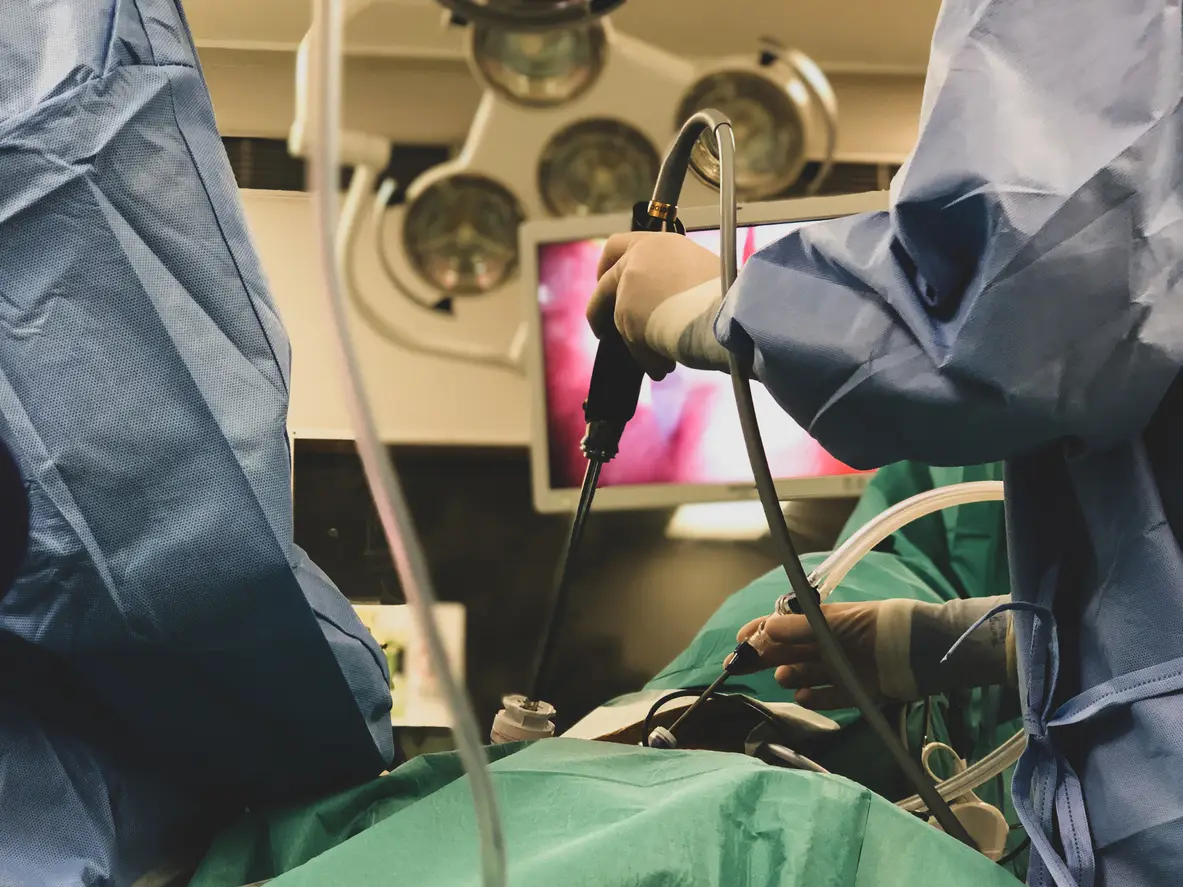
Typically that surgery, known as cholecystectomy, is done laparoscopically — through tiny incisions with the aid of a camera that provides a close-up view of the gallbladder. This minimally invasive procedure results in less pain and quicker recovery. In some instances, including when a cut is too small or can’t be made through more severe inflammatory or scarring, there might be open surgery with a larger incision. The surgeon cuts the gallbladder away from the liver and bile ducts, and takes it out. After the surgery, the liver still makes bile, but instead of being stored in the gallbladder, it drips continuously into the intestine.
Who doesn’t need gallbladder surgery?
Generally organs like the or bile duct, which can often require removal.Officials were not aware of an approximate 10% of -sometimes weeks or months in advance. Surgery may not be a good choice for some people with specific heart or lung conditions, abnormal blood clotting or severe infections. Your surgeon will evaluate your health status and medical history to assess the risks. If cholecystectomy is indicated, surgery should be performed by an experienced surgeon and if at all possible, laparoscopically.
How do you prepare to have your gallbladder removed?
Before gallbladder surgery Your surgeon and other members of your health care team will prepare you for gallbladder surgery by: Requesting medication adjustments Doing blood tests and other tests to check for signs of diseases and conditions that could complicate your surgery Having you fast before surgery. It’s also important to have a discussion about your complete medical history, and about any allergies or issues that could impact the way you react to anesthesia and recovery. Coming prepared with some questions will mean you are ready and have all the right info at hand.
What is the recovery of gallbladder surgery?
The answer to such a question comes down to: — Whether you’ve had a straightforward operation to remove your gallbadder, which is what is usually the case for around nine out of ten people, or one complicated by infection or bleeding. In these last instances, recovery can take longer than it does for individuals who have had routine gallbladder surgery cost. But most patients can also continue to safely go home on the same day as their procedure. Chances are you will need to adopt a gentle low-fat diet for a while as your body recovers.
Refrain from some activities such as heavy lifting or strenuous exercise for a period of time. As a result, it typically lasts for two to four weeks. On the other hand, the recovery of most patients is quite swift and they are able to resume normal life with little or no digestive issues.
What about risks?
Cholecystectomy carries risks as do all operations — like infection, bleeding or complications from anesthesia. For removal of the gallbladder (a cholecystectomy), specific risks include injury to the bile duct and bile leakage, as well as digestion problems such as diarrhea or bloating afterward, which can last weeks. But companies are able to operate on experienced surgical teams are relatively rare. If you select a surgeon who is good at gallbladder operations and follow post-op care instructions and what not, then the risk can be very minimal and the recovery is an easy process.
What are the benefits of having the gallbladder removed?
In the majority of patients, removal of the gallbladder offers long-term relief from the pain of gallstones or gallbladder disease. It eliminates the root cause of inflammation, and prevents future flare ups. And for most people, it is entirely possible to lead a full and active life: they can run or garden a smallholding, they can walk in safety without the fear of being ambushed by biliary colic; they do not have to take medication or continue with a restricted diet. And although some may have funky digestion for a bit, most do just fine once transitioned and experience the long-term benefits.
What kind of symptoms come back?
Adjusting diet can be a way to ease those symptoms. Additional testing for other underlying disorders and changes to the diet may also be useful for symptom control. But for the most part they report tremendous relief and improved digestion after surgery that can last for years or for life.

Conclusion
The procedure, which treats the underlying condition of the symptoms of gallbladder disease and reduces the risk of long-term complications, offers substantial relief to patients. When you learn more about the technique, when you should consider it, and talk with an experienced surgeon, you can make an informed decision that will improve your health and provide you with extreme peace of mind.

